

How to Plan a Spring Mountain Trek: A Friendly Guide to Your Best Shoulder-Season Adventure

Chosen theme: How to Plan a Spring Mountain Trek. Spring mountains are alive with contrast—frozen mornings, sunlit afternoons, and trails that flip from ice to mud in a mile. This guide blends practical planning with trail wisdom so you step out confident, prepared, and inspired. Share your target peak in the comments and subscribe for more spring-ready insights.

Timing the Season and Reading the Sky

Reading Spring Mountain Forecasts

Check multiple sources—NOAA, the Met Office, and local mountain forecasts—to compare freezing levels, sustained wind speeds, and storm timing. Dew point and temperature trends help predict morning ice and afternoon slush. Track wind direction across ridgelines, and always verify a 24-hour forecast the night before your trek.

Interpreting Avalanche and Snowpack Reports

Even on hiking routes, spring snow can slide. Read avalanche bulletins for aspect, elevation bands, and wet-loose or wet-slab risks. Cornice collapse is common on warming days, so give overhanging edges a wide berth. If reports sound uncertain, choose lower-angle routes or adjust your objective without hesitation.

Choosing Your Start Time

Start early to use firm, refrozen snow for efficient travel and safer crossings. Aim to be off steep, sun-exposed slopes before midday when warming accelerates. Early starts also reduce thunderstorm exposure, traffic at trailheads, and navigation challenges in softening snow. Plan backwards from your turnaround time and commit to it.

Spring-Specific Gear That Handles Freeze–Thaw

Use a wicking base, breathable mid-layer, and a reliable shell to shed wind and wet snow. Softshell pants excel on mixed terrain, while a light puffy warms breaks and summits. Carry thin liner gloves, waterproof overmitts, and a sun hat. Adjust layers early to prevent sweat from chilling you later.

Training and Skills for Confident Travel

Building Endurance and Elevation Strength

Stack weekly hikes with loaded packs, hill repeats, and stair sessions to simulate steady climbs. Mix aerobic base days with strength work for calves, glutes, and core. Practice descending with control to protect knees. Progress gradually and include recovery weeks; consistency beats big, sporadic efforts every time.

Practice on Snow and Self-Arrest Basics

Before your big objective, visit a safe, low-angle slope to practice walking on firm snow, kicking steps, and using poles efficiently. If carrying an ice axe, learn basic self-arrest on gentle terrain under supervision. Short, focused sessions build muscle memory that pays off when conditions harden above treeline.

Acclimatization and Pacing Strategy

If your trek climbs high, spend a night or two at moderate elevation first. Hydrate, eat regularly, and adopt a conversational pace to maintain energy. Use the rest step on steep grades, and take micro-breaks to manage breathing. Know altitude sickness signs and agree on a descent plan if symptoms appear.
Hydration in Cool Mornings and Hot Afternoons
Insulate water bottles overnight to prevent freezing and sip steadily during brisk climbs. Add electrolytes when the sun hits to offset sweat you barely notice in cool air. If melting snow, manage fuel carefully and keep filters from freezing. Mark refill points on your map so you never ration late.
Calorie-Dense, Spring-Friendly Menu
Favor quick-cooking carbs, hearty proteins, and healthy fats: couscous bowls, instant mashed potatoes, tuna packets, nut butters, and dark chocolate. Choose foods that still taste appealing when you are cold or tired. Pack a few morale boosters—gummy bears or a tiny cocoa sachet—to keep spirits high when winds rise.
Campsites and Leave No Trace
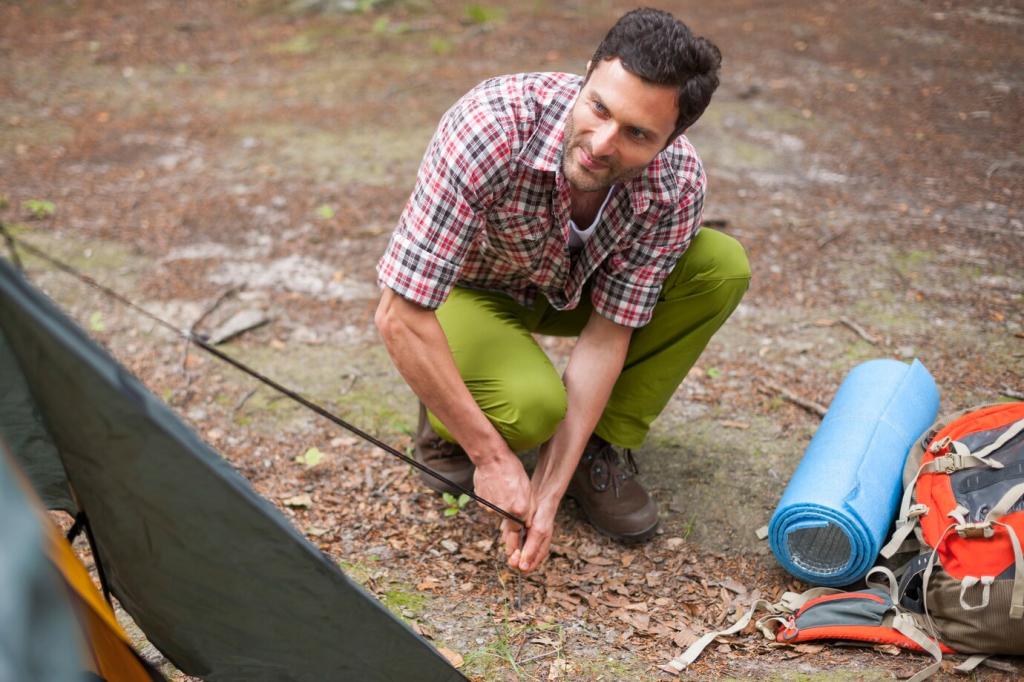
Pick durable surfaces, avoid fragile thawing meadows, and camp at least 200 feet from water. Stabilize tent stakes for slush with deadman anchors or rocks. Pack out all waste, including food scraps and micro-trash. Share your best low-impact practices with newcomers and invite readers to comment with their tips.

Risk Management and Team Communication

Set hard turnaround times tied to weather, snow softening, and group energy. Identify decision points—ridge crests, junctions, creek crossings—where you will reassess conditions. Write them on a pocket card or phone note. Celebrate wise turnarounds; they protect future summits and teach excellent judgment.

Risk Management and Team Communication

Agree on radio channels, check-in intervals, and simple call-and-response signals for wind or low visibility. Share a route card with a trusted contact, including bailout routes and return times. If using a satellite messenger, pre-program messages. Encourage the quietest teammate to voice concerns early and often.

Logistics, Trailhead Tactics, and Post-Trek Growth

Check seasonal road closures, snow gates, and mud-damaged access roads. Screenshot directions in case maps reroute you offline. If a shuttle is needed, plan safer morning transfers and clear pickup windows. Leave a windshield note with itinerary basics so search teams would have useful information if plans shift.

Logistics, Trailhead Tactics, and Post-Trek Growth

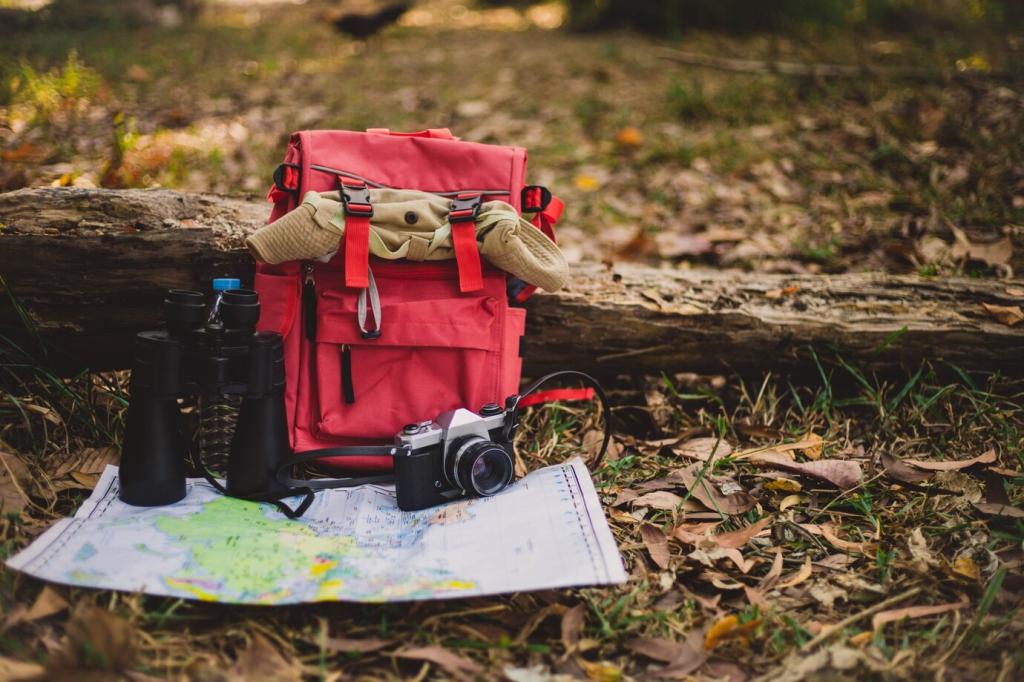
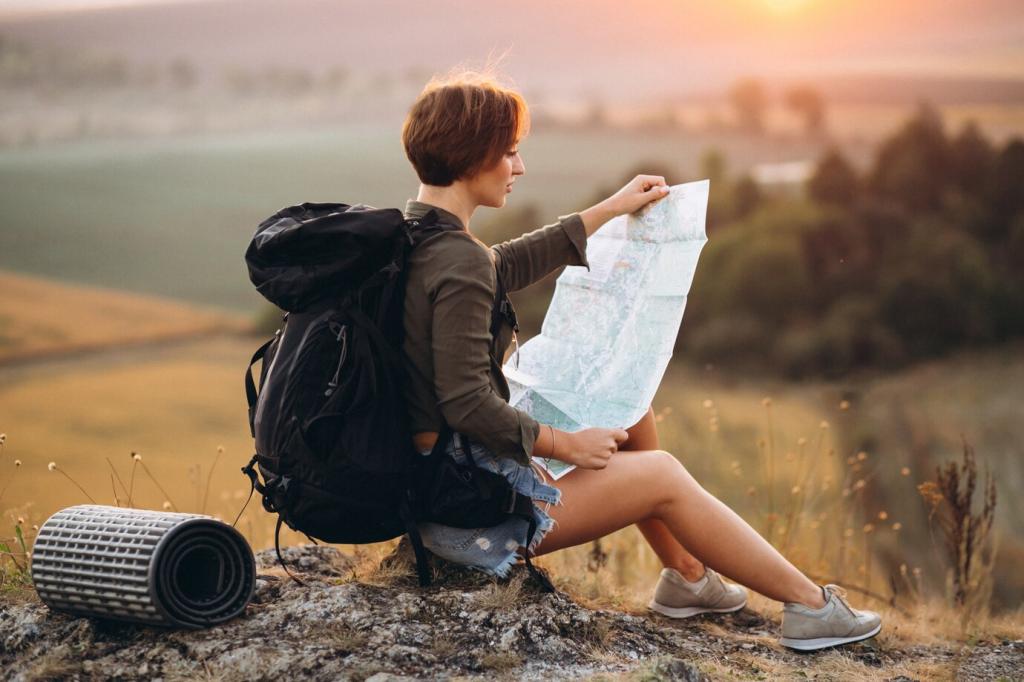
Lay out gear the night before with a printed checklist. Separate essentials into accessible pockets—navigation, insulation, snacks, and gloves. Test headlamp batteries, download maps, and label water bottles. A 90-second pre-departure huddle confirms route, roles, and turnaround time. Comment with your best last-minute checks that save the day.
Visitssese
Privacy Overview

This website uses cookies so that we can provide you with the best user experience possible. Cookie information is stored in your browser and performs functions such as recognising you when you return to our website and helping our team to understand which sections of the website you find most interesting and useful.