

Safety Tips for Winter Mountain Hiking

Chosen theme: Safety Tips for Winter Mountain Hiking. Winter mountains reward preparation, calm judgment, and resilient spirits. We’ll explore practical tactics, field-tested gear choices, and mindset shifts that help you come home smiling. Subscribe for more trail-safe wisdom and share your favorite cold-weather habit to inspire fellow hikers.

Dress Smart: Layering That Works Above the Snowline

Start with a wicking base layer that pulls sweat away from skin, avoiding cotton entirely. Vent early, unzip before you overheat, and remove a layer preemptively on climbs. Staying slightly cool during exertion prevents damp chill during rest stops.
Use a warm mid-layer, like fleece or synthetic, and a windproof, waterproof shell with adjustable hood and pit zips. Down is excellent when dry, but synthetic handles moisture better. Rotate layers during snack breaks to stay warm without soaking your insulation.
Carry liner gloves under insulated mitts, plus a spare pair sealed in a dry bag. Wear a balaclava and goggles when spindrift stings. Keep toes spacious, not cramped; circulation beats thickness. Watch for frostnip early, when warmth and shelter can easily reverse it.

Route Planning, Weather Windows, and Turnaround Discipline

Check regional mountain forecasts, wind speeds at elevation, and avalanche bulletins if applicable. Note storm cycles, wind direction, and temperature trends. Select routes with sheltered options and bailout points, aligning your plans with conditions, not ego or arbitrary goals.

This is the heading

Lorem ipsum dolor sit amet, consectetur adipiscing elit. Ut elit tellus, luctus nec ullamcorper mattis, pulvinar dapibus leo.

This is the heading

Lorem ipsum dolor sit amet, consectetur adipiscing elit. Ut elit tellus, luctus nec ullamcorper mattis, pulvinar dapibus leo.

Hydration, Fuel, and Heat Management

Keep Water Liquid and Available

Insulate bottles, stash them upside down so ice forms at the bottom, and avoid freezing hoses with covers or by blowing back. Protect filters from freezing. Consider melting clean snow with a stove, adding electrolytes to encourage steady sipping throughout the day.

Eat Often to Stay Warm

Aim for small, frequent, calorie-dense snacks every forty-five to sixty minutes. Mix fats, carbs, and protein to stabilize energy. Keep food accessible in pockets so you can eat without stopping long, minimizing cooling and maintaining consistent pace through cold, demanding terrain.

Emergency Readiness: Small Kit, Big Safety

Pack the Winter Ten Essentials

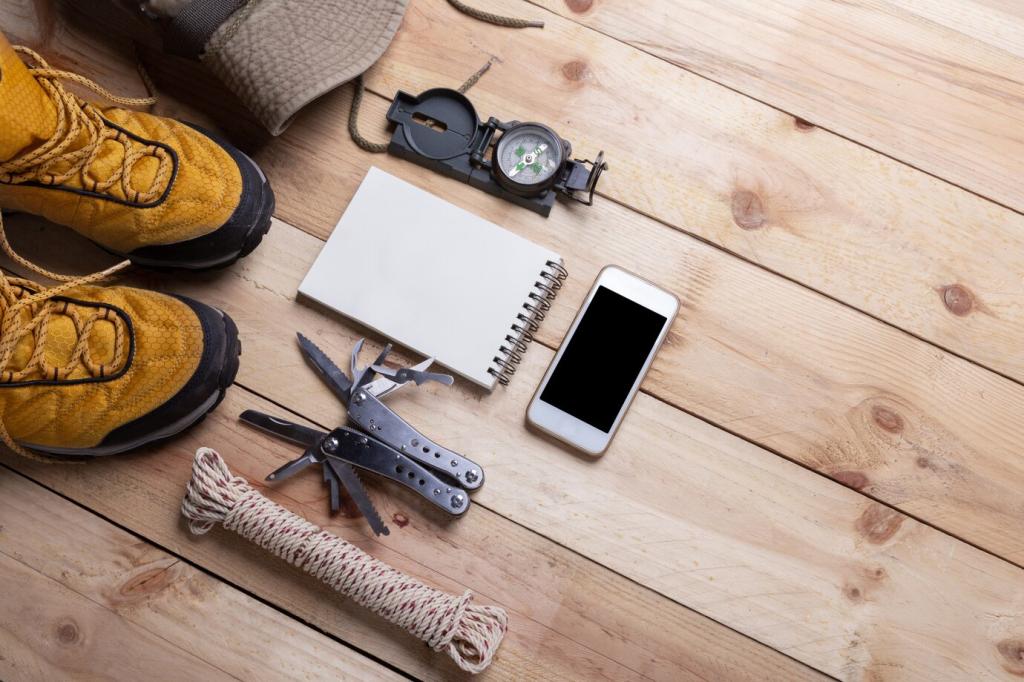
Carry navigation tools, headlamps, sun protection, first aid, repair kit and knife, fire starters, emergency shelter, extra food, extra water, and extra insulation. Add a lightweight foam pad and an emergency bivy, both invaluable during cold, prolonged stops.

Hypothermia and Frostbite Protocols

Know early signs: shivering, apathy, slurred speech. Add dry layers, fuel, and shelter; insulate from ground. Rewarm gently and avoid alcohol. For frostbite, protect from refreezing, don’t rub, and rewarm only when safe. Quick, calm action preserves tissue and judgment.

Communication and Check-ins

Cold drains batteries fast. Keep phones warm, carry a power bank, and consider a satellite messenger or PLB for remote trails. Share a detailed trip plan with return time. If delayed, concise updates reduce worry and help rescuers if assistance is needed.
Use microspikes on packed snow and low-angle ice, crampons for steep, hard ice, and snowshoes when postholing threatens pace and safety. Pair tools with conditions, not ambition. Reassess traction choices as surfaces change with elevation and aspect.

Traction, Footing, and Safe Movement

Visitssese
Privacy Overview

This website uses cookies so that we can provide you with the best user experience possible. Cookie information is stored in your browser and performs functions such as recognising you when you return to our website and helping our team to understand which sections of the website you find most interesting and useful.