

Ready for the Sky: Weather Preparations for Mountain Hikers

Chosen theme: Weather Preparations for Mountain Hikers. Step onto the trail with confidence as we blend science, hard-won trail wisdom, and practical gear strategies to help you read shifting skies, outsmart storms, and make safer decisions. Join our community—subscribe, ask questions, and share your own weather lessons from the mountains.

Know the Mountain Atmosphere

When moist air hits a mountain, it rises, cools, and condenses—fueling sudden clouds, squalls, and fog. This orographic lift can flip bluebird mornings into graupel showers in minutes. Expect change, plan buffers, and tell partners your weather thresholds before you leave.

Know the Mountain Atmosphere

Temperature typically drops about 6.5°C per 1,000 meters (3.5°F per 1,000 feet). Add wind chill, and exposed ridges bite brutally. Pack warm layers even on mild trailheads, because a comfortable valley morning can become a finger-numbing summit wait beneath a racing cloud deck.

Essential Weather-Ready Gear

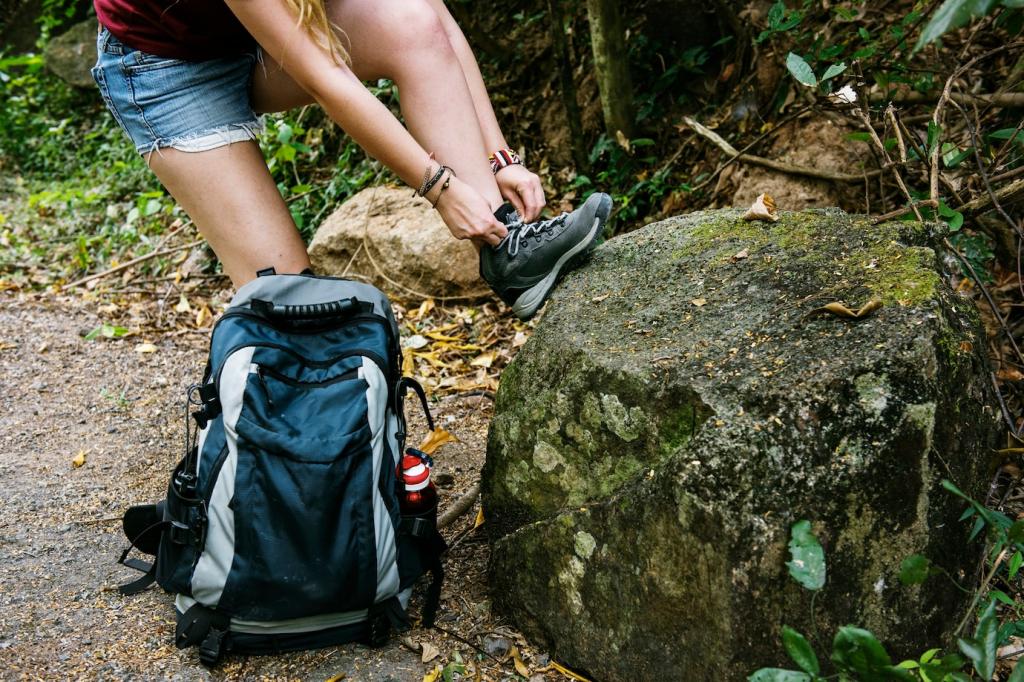
Use a moisture-wicking base, insulating mid-layer, and stormproof shell you can don without stopping long. Favor breathable membranes and venting zips. Keep gloves, hat, and a buff accessible, not buried—minutes matter when wind spikes on a ridge and your heat drains away.

Essential Weather-Ready Gear

Renew DWR, inspect seam tape, and test rain gear before big objectives. Carry lightweight repair patches and a tiny bottle of seam sealer. A wet mid-layer is a slow, dangerous heat leak; protect it fiercely and stash a dry backup in a waterproof bag you truly trust.

Forecasting Like a Pro Hiker

Choose credible sources and read between lines

Compare National Weather Service discussions, Mountain-Forecast ridge-level reports, and local avalanche center notes for wind and snow clues. Translate numbers into experience: a 20 mph ridge wind can feel punishing with sleet. Save forecast snapshots and tweak your plan as trends shift.

Reading clouds as your moving forecast

Flattened lenticular clouds signal strong winds aloft; high, milky veils hint at incoming fronts; bubbling cumulus can grow into trouble. Watch cloud bases lower and note wind direction changes. Snap photos, timestamp them, and practice connecting sky changes to what you feel on skin.

Barometers, pressure trends, and field signs

A steady pressure drop of 2–3 hPa in a few hours warrants caution. Smell of rain, distant thunder, and static hair before lightning are real alerts. Use a watch altimeter for pressure shifts and record them. Comment below with your favorite field cue that saved a trip.

This is the heading

Lorem ipsum dolor sit amet, consectetur adipiscing elit. Ut elit tellus, luctus nec ullamcorper mattis, pulvinar dapibus leo.

This is the heading

Lorem ipsum dolor sit amet, consectetur adipiscing elit. Ut elit tellus, luctus nec ullamcorper mattis, pulvinar dapibus leo.

Real Trail Stories: Lessons From the Sky

A blue morning on a favorite ridge turned to sideways graupel after lunch. Because we pre-set a noon turnaround, we were descending when thunder rumbled. A dry mid-layer and a thermos changed morale instantly. Share your near-miss that sharpened your weather instincts.

Real Trail Stories: Lessons From the Sky

We spotted a smooth, lens-shaped cloud stacking over the summit—classic lenticular. Forecast said moderate winds; the sky said otherwise. We switched to a treeline loop, heard gusts roar above, and celebrated with warm drinks. The mountain will be there tomorrow; so will we.
Visitssese
Privacy Overview

This website uses cookies so that we can provide you with the best user experience possible. Cookie information is stored in your browser and performs functions such as recognising you when you return to our website and helping our team to understand which sections of the website you find most interesting and useful.