
Pack With Purpose: Essential Gear for Mountain Hike Safety

Theme selected: Essential Gear for Mountain Hike Safety. Step onto alpine trails with confidence by dialing in the kit that keeps you warm, hydrated, oriented, visible, and capable when plans change. Read on, ask questions, and subscribe for trail-tested checklists that help you return safely, every time.

Footwear and Traction That Keep You Upright

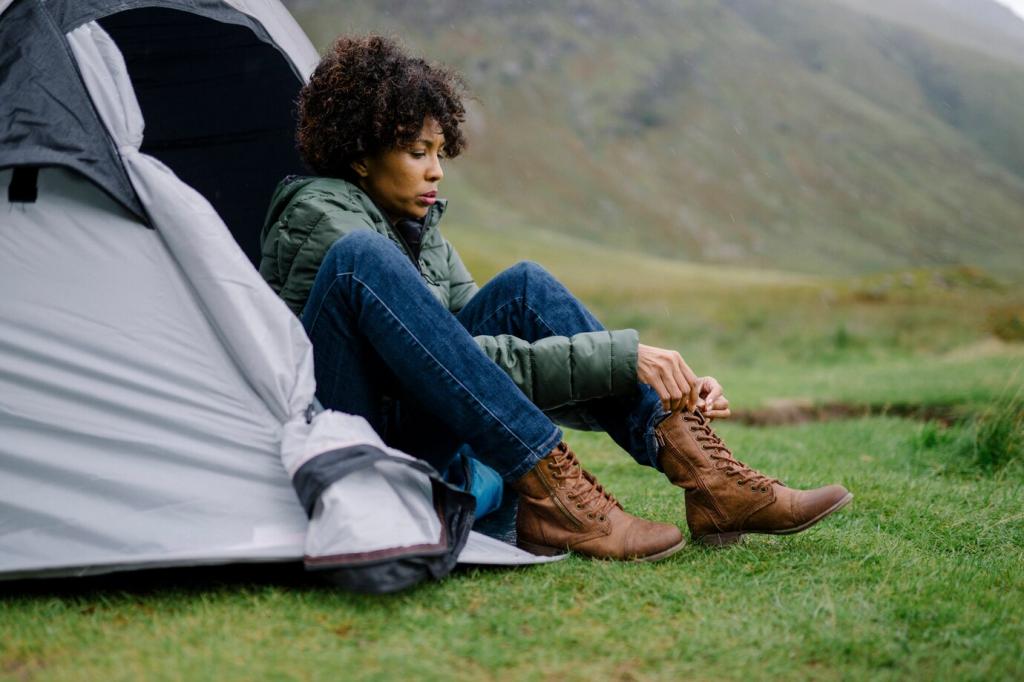
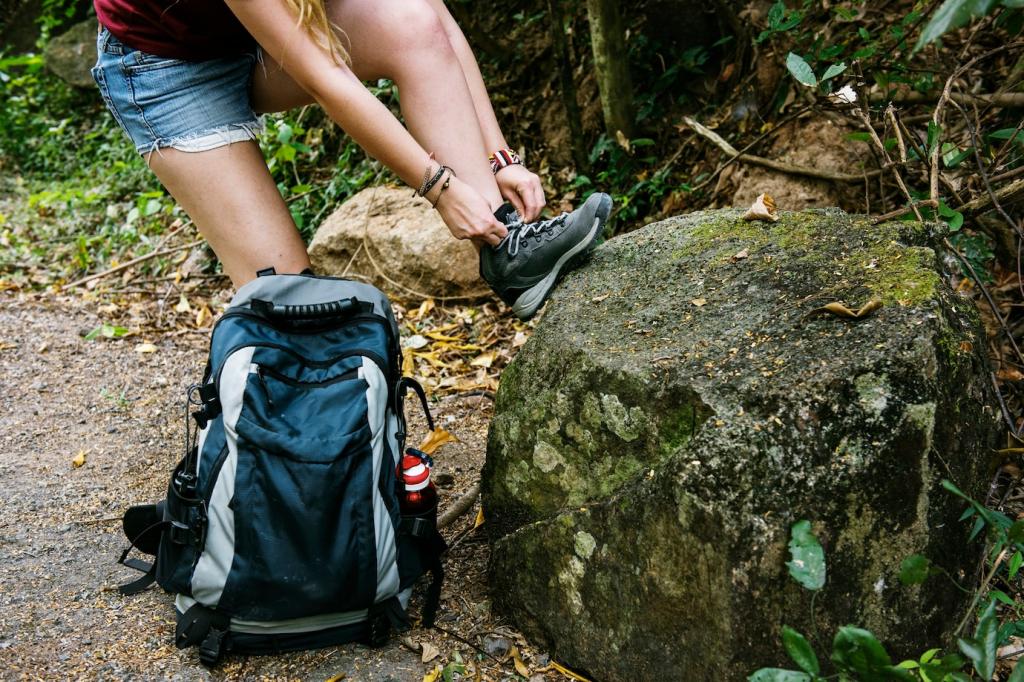
Stability starts with boots that fit like a handshake—secure at the heel, roomy at the toes. For granite ridgelines and scree, choose a supportive midsole and grippy outsole. Try them on with hiking socks late in the day, then share your favorite models and fit hacks in the comments.

Footwear and Traction That Keep You Upright

Early morning ice, shaded gullies, and wind-scoured passes can turn summer trails into slides. Microspikes shine on packed snow; crampons bite into steeper, icier angles. Carry a small gaiter to keep debris out, and tell us how you decide which traction to pack for shoulder-season routes.

Layering Systems for Ruthless Mountain Weather

Base, Mid, and Shell: The Three-Stage Comfort Engine

A wicking base layer moves sweat away; an insulating mid layer traps heat; a breathable, waterproof shell blocks wind and rain. Avoid cotton, learn venting tricks, and stash a dry top for the summit. Tell us your favorite mid layer and why it earns permanent pack space.

Hands, Head, and Eyes: Small Items, Big Safety Margin

Insulated gloves, a windproof beanie, and UV-rated sunglasses protect dexterity, judgment, and vision. Add sunscreen and lip balm because reflection off snow multiplies burn risk. What’s the one tiny piece you always carry, no matter the forecast? Share your unsung hero below.

A Storm Tale: The Spare Layer That Saved the Day

On a July traverse, a sprinting squall dropped temperatures twenty degrees in minutes. Our backup puffy and shell let us pause, re-route, and finish safely. Pack that extra layer even when skies brag blue. Have a weather surprise story? Post it and help someone else plan smarter.

Navigation and Communication You Can Depend On

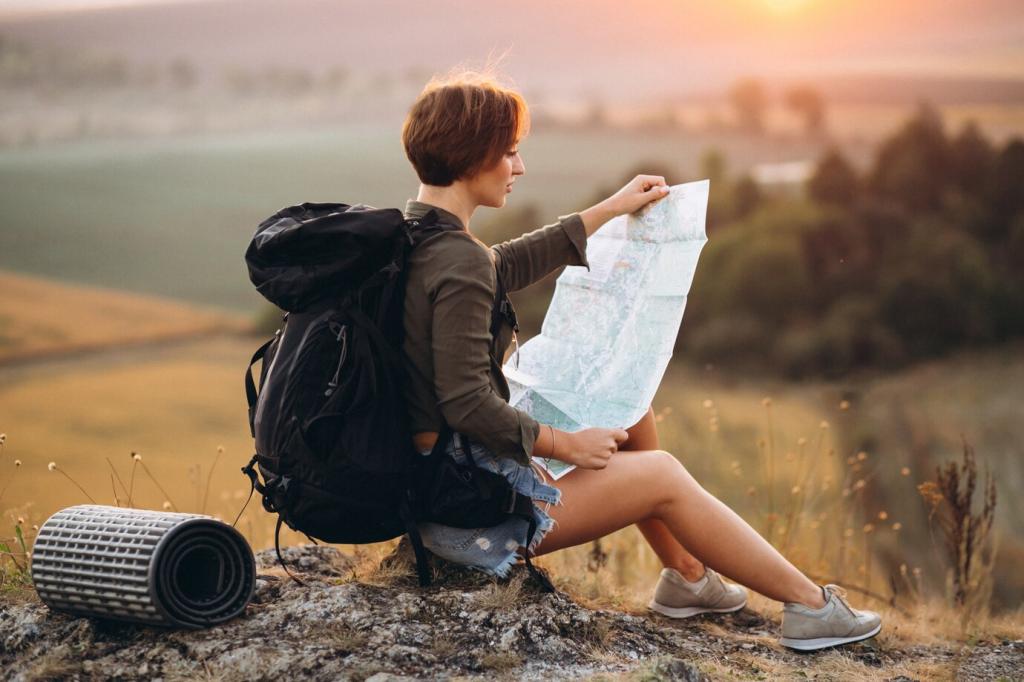
A paper topo and reliable compass weigh little yet work without batteries. Practice bearings at home, note bailout points, and mark water sources. Snap a photo of your route and leave it with a friend. What’s your top map-reading tip? Drop it so newcomers can learn faster.

Navigation and Communication You Can Depend On

Smartphones are powerful but fragile. A dedicated GPS offers durability; a satellite messenger enables two-way texts; a PLB triggers official rescue. Know your device, pre-test messages, and pack spare power. Tell us which unit rides in your hip belt and why you trust it.

Bottles vs. Bladders and How to Treat Water Fast

Hard bottles survive rough granite; bladders encourage sipping. Combine with a squeeze filter and backup tablets for speed and redundancy. In freezing temps, flip bottles upside down so lids don’t ice first. What’s your cold-weather hydration hack? Share it to help fellow hikers stay hydrated.

Smart Trail Fuel: Carbs, Fat, Protein, and Electrolytes

Mix fast carbs for climbs, fats for steady burn, and protein for recovery. Add electrolytes to manage sweat loss. Pack foods you actually crave at altitude. What snack keeps your morale high when the switchbacks feel endless? Comment your favorite and inspire our next grocery run.

Wildlife and Food Storage: Respect the Residents

Carry a bear canister where required and use odor-resistant bags elsewhere. Cook away from camp and keep a clean kitchen kit. These habits protect animals and hikers alike. Have a clever camp setup that balances convenience and safety? Describe it so others can learn the routine.
Build a First Aid Kit You’ll Actually Use
Stock blister care, elastic wrap, pain relief, antiseptic, tweezers, and wound closures. Add personal meds and a compact emergency blanket. Review annually and practice basic bandaging. Which item has saved your day most often? Share your must-have so newcomers can pack smarter from day one.
Repair Kit: Duct Tape, Zip Ties, Needle, and Cord
A few grams fix ripped packs, busted buckles, torn tents, and flapping soles. Wrap tape around a bottle, stash a heavy needle, and include shock cord. What trail repair are you proudest of? Tell us how you MacGyvered your gear when the mountains tested your creativity.
Anecdote: The Trekking Pole That Lived to Hike Again
On a talus hop, a pole snapped near the basket. A splint of tent stake and tape held for eight miles to the trailhead. That tiny repair kit erased panic. Got a similar save? Post it and help everyone see why a few spares matter.

Shelter, Lighting, and Fire for Unplanned Bivies

An ultralight bivy or heat-reflective tarp blocks wind and preserves crucial body heat. Pair with a foam sit pad to insulate from cold ground. Have you tested yours in the backyard? Share results so others can tweak setups before the mountains demand performance.

Packs, Poles, and Load Management That Go the Distance

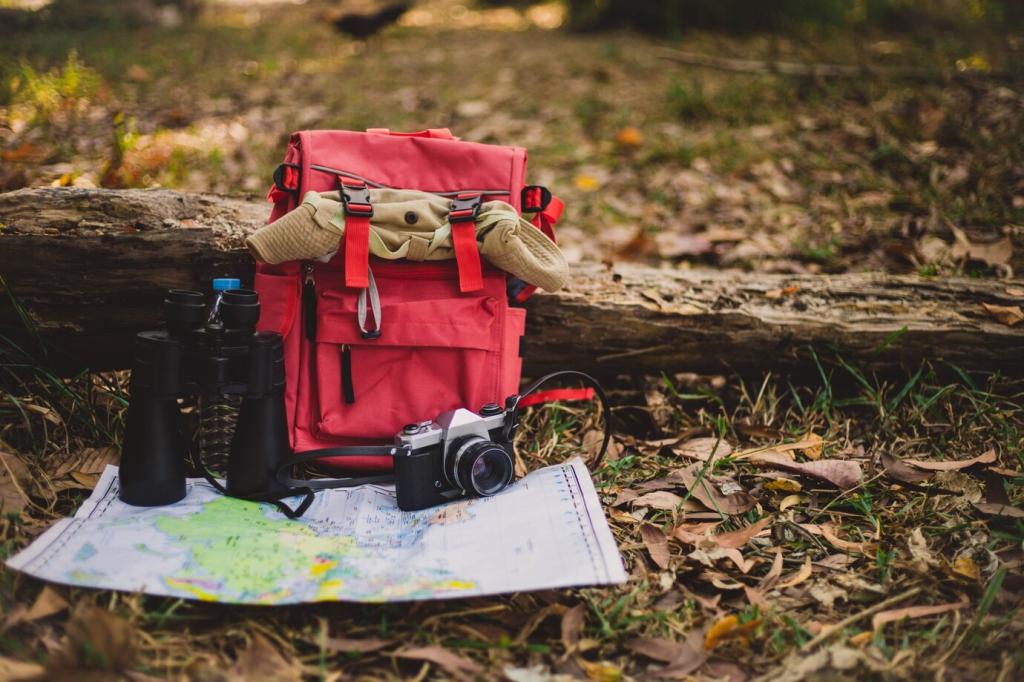
Set torso length, snug the hip belt, and fine-tune shoulder straps. Heavy items near your spine; essentials accessible. Color-code small bags for speed. Post your pack layout photo and tag the one tweak that most improved your day-long comfort on steep terrain.

Packs, Poles, and Load Management That Go the Distance

Poles share load, protect joints, and add four-beat traction on loose ground. Adjust length for climbs and descents, and learn wrist strap technique. Which pole tips last longest on granite? Comment your pick, and let’s build a crowd-sourced durability guide together.
Visitssese
Privacy Overview

This website uses cookies so that we can provide you with the best user experience possible. Cookie information is stored in your browser and performs functions such as recognising you when you return to our website and helping our team to understand which sections of the website you find most interesting and useful.